The Cost of Authenticity (continued): The Relational Consequences

The Cost of Authenticity (continued): The Relational Consequences

Authenticity sounds beautiful on paper—being true to yourself, standing in your values, showing up as the full version of who you are. But in real life, being authentic can create friction, especially when the people around you have gotten used to the inauthentic version of you.

Maybe you’ve always been the “easygoing one,” the “helper,” the “peacemaker,” or the “self-sacrificing partner.” The role that I hear about most frequently in my office is the “people pleaser.” Maybe you’ve worked hard to avoid conflict or maintain approval—even when it cost you your own truth.

And now you’re trying to change that. To be more honest. More direct. More yourself. But instead of feeling closer to others, you’re feeling the distance grow.

If you’re noticing that authenticity is making some relationships feel shakier, you’re not imagining it. There are real consequences to showing up differently—especially when others were benefiting from your silence, compliance, or performance.

People Often Attach to the Version of You That Serves Them

That might sound harsh, but it’s true. Many relationships—family dynamics, friendships, even romantic connections—are built on unspoken agreements.
You play this role.
I respond this way.
We avoid this topic.
You don’t set that boundary.
I don’t get uncomfortable.

When you shift—even in healthy, necessary ways—it disrupts the balance. And not everyone wants to adapt. While some people will simply have to adjust to this new, authentic version of you, others will be angry or frustrated that you are no longer willing to put their needs above your own. 

You May Be Accused of “Changing”

When you begin living more authentically, you may hear things like:
- “You’re being selfish.”
- “You’ve changed.”
- “You’re not as fun anymore.”
- “Why are you making everything harder?”

What’s actually happening? You’ve stopped meeting others’ unspoken expectations of performance. You’ve started showing up more fully and stopped shrinking. That can be incredibly threatening to people who benefited from your people-pleasing, caretaking, or emotional silence.

And while those reactions might feel hurtful, they’re not necessarily a sign that you’re doing something wrong. They’re a sign that you’re disrupting a dynamic that was never built to hold your whole self. In other words, the healthier, more authentic version of you could not have participated in that dynamic as it were. 

The Grief of Outgrowing Inauthentic Relationships

One of the hardest parts of growth is realizing that some relationships only worked when you were abandoning yourself.
And when you stop doing that—when you begin to live in alignment with your truth—you may feel:

Left out
Misunderstood
Criticized or rejected
Grief over what’s no longer working

This is painful. And it’s also a sign that you’re moving toward more honest, aligned, and sustainable ways of connecting.

Authenticity Doesn’t Ruin Relationships—It Reveals Them

It’s not that being honest or setting boundaries breaks relationships. It’s that those relationships may never have had the space, depth, or mutual respect to hold your full self in the first place.

Authenticity filters your relationships.
- The ones that can’t tolerate your growth may fade.
- The ones that value who you really are will deepen.
- And new relationships will begin to form that reflect your evolving self.

This filtering hurts—but it also heals. It creates room for connection that isn’t rooted in performance or people-pleasing, but in genuine reciprocity. If you’ve ever had the experience of knowing someone who is authentic and living in the truest version of themself, you know those relationships can be some of the most fulfilling and connected. It’s almost like a light that people are drawn to. It gives permission to those around you to be their authentic selves as well. By taking note of the relationships that are no longer working when you’re being more authentic, you’re creating space in your life for more genuine and fulfilling relationships.

So What Do You Do When Being Real Costs You?

  • Acknowledge the grief. Let yourself mourn the connections that don’t survive your growth.

  • Validate your progress. You’re not being difficult—you’re being honest.

  • Seek aligned relationships. Find people who celebrate your wholeness, not just your usefulness.

  • Get support. Therapy can be a space to process the emotional fallout of choosing yourself.

Final Thoughts: The Cost Is Real—But So Is the Freedom

Yes, authenticity may cost you comfort, approval, and even relationships that once felt central to your life. But it also gives you something deeper: peace, alignment, and the opportunity to build connections that are real.

You were not made to perform.
You were not made to shrink.
You were made to live whole, loved, and free.

If you’re navigating this tension right now—trying to figure out how to stay true to yourself while dealing with the pushback from others—you don’t have to do it alone. Therapy can be a powerful place to untangle the guilt, the grief, and the patterns that keep you stuck in performance mode.

You deserve to be fully known and still fully loved. And it is truly the purpose of my work to help people step into their authentic self and live their fullest lives. If this resonates with you, I would love to help you on that journey. 

Kay Foster Counseling Ankeny

Kay Foster, LISW

Kay is dedicated to empowering adults to achieve meaningful and enduring transformations in their lives by cultivating a supportive environment where clients feel valued, nurtured, and truly listened to.
The Cost of Authenticity: Why Being True to Yourself Isn’t Always Easy (But Is Always Worth It)

The Cost of Authenticity: Why Being True to Yourself Isn’t Always Easy (But Is Always Worth It)

We hear a lot about the importance of authenticity—be yourself, live your truth, stay true to who you are. It sounds beautiful. Empowering. Simple. But the reality? Authenticity often comes with a cost.

Being truly yourself in a world that pressures you to conform, to please, or to perform can be uncomfortable, lonely, even painful at times. And yet—for many of us—there comes a moment when pretending becomes more painful than the risk of being seen.

If you’ve ever found yourself wondering why it’s so hard to be fully you, or why it feels like people pull away when you stop shrinking to fit their expectations, this blog is for you.

Authenticity Requires Letting Go of Approval

One of the biggest costs of authenticity is this: you may disappoint people. In fact, it’s likely.

The version of you that sets boundaries, says no, or expresses an unpopular opinion might not be the version people are used to. Friends, family, partners, coworkers—they might push back. Not everyone will understand or embrace your growth. Some may even try to guilt you back into the role you played before.

“You’ve changed.”
Yes. That’s the point.

Choosing to be authentic means letting go of the comfort that comes from being liked by everyone. And that’s a hard ask—especially for those of us who have been conditioned to keep the peace at all costs. 

Authenticity Can Bring Grief

When you start living more truthfully, you may lose people, places, or patterns that once felt familiar—even if they were unhealthy. That loss brings grief.

You may grieve:
  -  Relationships that only existed when you were pretending
  -  Old identities that no longer fit
  -  Opportunities or spaces that required you to hide parts of yourself

This grief is real and valid. And it’s a sign of your growth, not your failure.

Authenticity Takes Energy

Choosing authenticity takes effort—mental, emotional, and even physical.
It might mean pausing before responding to check in with yourself.
It might mean having hard conversations or sitting with discomfort.
It often means tolerating vulnerability without knowing how others will respond.

But here’s the shift: over time, the energy you once spent performing gets redirected toward peace. Toward alignment. Toward relationships that feel mutual, grounding, and safe.

But the Cost of Inauthenticity Is Higher

Here’s the truth: not being yourself comes at a cost, too. And often, that cost is heavier.

Chronic anxiety from people-pleasing
Exhaustion from emotional masking
Disconnect from your own needs and desires
Resentment that builds silently over time
A deep, aching sense that you’re not living your fullest life

In therapy, I often work with people who say things like, “I don’t even know what I want anymore,” or “I’m exhausted, and I don’t know why.” Sometimes these experiences can be tied to a lack of authenticity—because living out of alignment with who you are drains you in invisible but powerful ways. 

So What Does It Mean to Be Authentic?

Authenticity doesn’t mean saying everything that’s on your mind, or refusing to compromise, or expecting others to constantly accommodate your truth.

It does mean:
- Listening to your gut, even when it’s inconvenient
- Saying “no” without guilt when something feels off
- Expressing your feelings, even when they might be misunderstood
- Taking the time to know yourself, not just present yourself
- Being honest about who you are, even when it risks rejection

One of my favorite quotes describes the practice of authenticity much better than I can: “Authenticity is an orientation. Not a destination.” There is no final destination in which you can call yourself authentic. It is a way of being. And it comes from truly knowing yourself and what feels right for you at any given moment. 

Final Thoughts: Is It Worth It?

Yes.

Even when it’s hard.
Even when it costs you things.
Even when people misunderstand.

Because on the other side of that discomfort is a version of you that feels free. At home in your own skin. Rooted in something deeper than approval or performance.

Authenticity is not the easiest path, but it’s the one that leads to real connection—with yourself and with others.

And if you’re struggling to live authentically, you’re not alone. Therapy is a space where we can explore what being “you” really means, and why it feels so hard. Together, we can work through the grief, the fears, and the barriers—and help you build a life that actually fits.

You deserve to live as your full, whole self. And I’m here to walk with you as you learn how.

Kay Foster Counseling Ankeny

Kay Foster, LISW

Kay is dedicated to empowering adults to achieve meaningful and enduring transformations in their lives by cultivating a supportive environment where clients feel valued, nurtured, and truly listened to.
Why Following Through With Therapy Skills Is Hard (Even for Therapists)

Why Following Through With Therapy Skills Is Hard (Even for Therapists)

If you’ve ever left a therapy session feeling motivated to try something new—only to get home and not follow through—you’re not alone. In fact, this is one of the most common experiences clients share: “I know what I should be doing, but I just can’t seem to do it.”

Here’s the truth: understanding a skill is one thing—putting it into practice is another. And there are real, human reasons why following through is tough, even when the intention is there. In fact, these challenges are so universal that I recently recorded two podcast episodes exploring this exact topic—where myself and a fellow therapist challenged each other to follow through with the very skills we often suggest to clients. Let’s just say…life happened.

🎙️ You can check out both episodes here:
The Unfiltered Therapists Podcast

Common Barriers Clients Face (That We Faced Too)

1. Life Is Busy, and Therapy Skills Take Effort

Trying something new takes energy—and when you’re juggling work, family, and daily responsibilities, that energy can be in short supply. It’s easy to think, “I’ll try that tomorrow,” but tomorrow turns into next week... and nothing changes.

Real talk: Therapy asks you to change patterns, and that requires effort and intention. That’s hard when you’re already stretched thin.

2. Fear of Discomfort or Failure

Even small changes can feel risky. What if it doesn’t work? What if I do it wrong? What if I try and still feel bad? These fears can make it easier to avoid trying in the first place.

In our podcast we discussed how often we’ve seen clients mentally talk ourselves out of doing the thing—not because it was impossible, but because it felt uncomfortable.

3. Perfectionism and All-or-Nothing Thinking

You don’t have to do a skill perfectly for it to help—but perfectionism tells us otherwise. Many clients (and therapists!) fall into the trap of thinking, “If I can’t do this exactly right, why bother?” This can lead to avoidance, procrastination, and self-criticism.

Pro tip: Progress, not perfection, is the goal.

4. Forgetfulness and Lack of Structure

Let’s be honest—life is chaotic, and unless you have a system in place to remind you to use that grounding exercise, journal prompt, or coping skill... it often gets forgotten. That’s why building reminders, accountability, and structure into your day makes a big difference.

In our challenge, we both realized how easy it was to forget our own goals, and how powerful it was to have someone check in and say, “Hey, did you try that thing?”

Therapists Are Human Too (and That’s the Point)

Doing this challenge on the podcast was a way for us to model what it’s like to have good intentions, face real-life barriers, and still try to show up for ourselves. It reminded us—and hopefully reminds you—that change is a process, and struggling with follow-through doesn’t mean failure. It means you’re human.

How to Support Yourself With Follow-Through

✔ Start small – Choose one simple skill or action to focus on.
✔ Build reminders – Use alarms, sticky notes, or a check-in buddy.
✔ Track progress – Reflect weekly on what worked, what didn’t, and why.
✔ Give yourself grace – Struggle is part of growth.
✔ Talk about it in therapy – Your therapist wants to help you understand the barriers, not just hand you a list of skills.

Final Thoughts

If you’ve ever felt like you’re “failing” at therapy because you can’t follow through, you’re not failing—you’re learning. The gap between knowing and doing is where real growth happens, and you don’t have to cross it alone.

Want to hear more about how this played out for two real-life therapists?
🎧 Listen to our episodes here:The Unfiltered Therapists Podcast – we promise you’ll feel seen, validated, and maybe even inspired to try one small thing today.

And if you’re ready to explore these barriers in therapy, let’s connect. I’d love to help you build strategies that work for you—in real life, not just in theory.

Kay Foster Counseling Ankeny

Kay Foster, LISW

Kay is dedicated to empowering adults to achieve meaningful and enduring transformations in their lives by cultivating a supportive environment where clients feel valued, nurtured, and truly listened to.
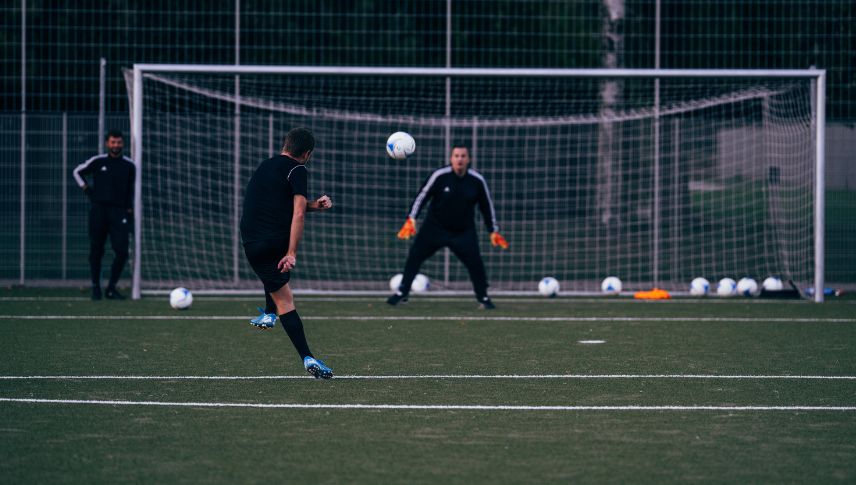
Supporting Your Young Athlete: A Parent’s Guide to Encouraging Without Overstepping

Supporting Your Young Athlete: A Parent’s Guide to Encouraging Without Overstepping

Watching your child compete in sports can be one of the most exciting and rewarding experiences as a parent. Your role is crucial whether they're chasing dreams of playing at a higher level or simply enjoying sports' camaraderie and discipline. But being a supportive parent of an athlete isn't just about cheering from the stands—it's about helping them navigate the highs and lows of their athletic journey in a way that fosters confidence, resilience, and self-worth.

Here are four key ways you can best support your child through their journey in athletics.

1. Let Your Athlete Set Their Own Goals

It's natural to want success for your child, but their sports journey should be theirs. When athletes take ownership of their goals, they develop intrinsic motivation, resilience, and accountability. Instead of setting expectations for them, engage in conversations about what they want to achieve and collaborate on the steps they'll need to take to get there.

Ask questions like:

What do you love most about your sport?

What are some individual goals you have for this season?

What support do you need from me to help you reach them?

When your child is in the driver's seat, they develop confidence and a sense of control over their own athletic experience. Your role is to be their biggest supporter—helping them make choices aligning with their goals, offering encouragement, and reminding them that their goals don't have to be about wins and stats but about growth, learning, and enjoying the sport. Their goals will tell you a lot about what your support role can be. If their goals do not align with your own goals for your athlete, that's something for you to work through. It is not their responsibility to live up to your expectations.

Goals are personal. It's not up to anyone else to decide your goals. 

2. Be a Parent—Not Another Coach

Your athlete already has coaches. What they need from you is unconditional support, encouragement, and a safe place to land after challenging games and practices.

It's tempting to offer technical advice after a game or correct mistakes you notice, but unless your child asks for your feedback, leave the coaching to the coach. Sports should be a place where children can build confidence, and if every interaction feels like another round of criticism or coaching, it can quickly drain their joy for the game.

Instead of focusing on performance-based feedback, try these supportive responses after a game:

"I loved watching you play today!"

"I'm proud of how hard you worked out there."

"How did you feel about the game?"

Your athlete should feel safe and supported coming to you after a challenging game—not worried about receiving a post-game breakdown of what they did wrong. By being their parent first, you give them the emotional stability they need to thrive in athletics and beyond.

Your child needs a parent who believes in them, not a coach waiting to critique them.

3. Remember That Their Journey Is Not Yours

If you played sports growing up, it's easy to see your child's athletic experience through your own lens. Maybe you loved your sport and want them to feel the same way, or perhaps you regretted how your athletic career played out and want to help them avoid the same mistakes. But their journey is separate from yours, and they deserve the chance to create their own story.

Your child doesn't need to live up to your glory days—they need the freedom to build their own.

- If you were a star athlete, resist comparing their performance to yours.

- If you didn't reach the level you hoped for, don't push them to achieve what you didn't.

- If they don't seem to love the sport as much as you did, let them decide if it's something they truly want.

When you separate your experiences from theirs, you allow them to play for their own reasons—not to fulfill expectations they never asked for.

Let your child have their own journey. Their sport is not about reliving your past but creating their future.

4. Remember: They Are More Than Their Sport

It's easy to get caught up in the excitement of your child's athletic achievements, but it's critical that they know they are valued outside of their sport.

Many athletes tie their self-worth to their performance, believing that their value comes from how well they play, how much playing time they get, or whether they meet expectations. When things don't go as planned, this can create anxiety, burnout, and emotional distress.

Remind them (and yourself) that being an athlete is just one part of who they are. Celebrate their character, work ethic, kindness, and resilience just as much—if not more—than their performance.

Instead of only recognizing athletic achievements, also acknowledge:

- Their effort, perseverance, and sportsmanship

- Their passions and interests outside of sports

- The qualities that make them a great person, not just a great athlete; focus on CHARACTER rather than outcomes

Let them know that win or lose, play or sit success or struggle—you love and value them for who they are, not for what they accomplish.

Even professional and Olympic athletes' competitive days of playing their sport will eventually end. How will they feel about themselves when it does? 

Final Thoughts: How You Can Support Your Athlete Beyond the Game

Being the parent of an athlete comes with a unique set of challenges and emotions. Still, at the core, your role is simple: love, support, and encourage.

✔ Let them set their own goals and guide their own journey.

✔ Be their parent first, not another coach on the sidelines.

✔ Make sure they know that they are more than just an athlete—they are a whole, valuable person beyond the game.

✔ Let them create their own sports journey, separate from your past experiences.

When your child looks back on their sports career, they won't just remember the wins and losses—they'll remember how you made them feel. Be the safe space, the encourager, and the one who always believed in them, no matter what the scoreboard says.

If you'd like more guidance on supporting your child's mental and emotional well-being in sports, Check out these episodes of my podcast:

🎙️ The Unfiltered Therapists Podcast, Episode 11: Athletes and Mental Health or Episode 14: Team Culture and its Impact on the Mental Health of Athletes (click here to listen)

Suppose your child is struggling with sports-related anxiety, confidence, or pressure. In that case, therapy can be a powerful tool to help them navigate these challenges. As a therapist, I work with athletes (and their parents) to develop mental resilience, self-worth beyond the game, and a healthy approach to competition.

Want to learn more? Let's connect—I'd love to help your athlete thrive in sports and in life.

Kay Foster Counseling Ankeny

Kay Foster, LISW

Kay is dedicated to empowering adults to achieve meaningful and enduring transformations in their lives by cultivating a supportive environment where clients feel valued, nurtured, and truly listened to.
ADHD in Women: Why It’s Often Missed and What to Look For

ADHD in Women: Why It’s Often Missed and What to Look For

When people think of ADHD, they often picture a hyperactive young boy who can’t sit still in class. But ADHD in women often looks very different—so different, in fact, that many women don’t receive a diagnosis until adulthood, after years of struggling with symptoms they didn’t know were signs of ADHD.

Many women with ADHD describe feeling scattered, overwhelmed, and exhausted from constantly trying to keep up with life’s demands. The symptoms can be frustrating, isolating, and misunderstood. If you’ve ever wondered why certain things—like staying organized, following routines, or managing impulsivity—feel harder for you than they seem to be for others, you’re not alone. Let’s dive into the unique ways ADHD presents in women and why so many go undiagnosed for years.

Why ADHD in Women Often Goes Undiagnosed

ADHD is diagnosed approximately three times more often in males than in females (source). This diagnostic gap isn’t because women are less likely to have ADHD—it’s because their symptoms often don’t fit the traditional (and outdated) model of what ADHD is supposed to look like.

Instead of the obvious hyperactivity that many associate with ADHD, women tend to experience:

- Chronic procrastination

- Feeling overwhelmed and disorganized

- Hyperfixation on interests until suddenly losing interest

- Difficulty maintaining routines

- Forgetting appointments or showing up late

- Trouble transitioning between tasks

- Impulse control issues (with food, money, relationships, etc.)

- Daydreaming or zoning out in conversations

Since many of these symptoms don’t disrupt classrooms or workplaces in the same way that hyperactivity might, they are often overlooked or mistaken for personality traits like being "scatterbrained" or "emotional" or one I hear all the time, “lazy” rather than indicators of ADHD.

Why Many Women Are Misdiagnosed with Anxiety or Depression First

For many women, the path to an ADHD diagnosis is long and winding. They often manage to compensate for their symptoms throughout childhood and early adulthood—finding creative ways to stay on top of things. But as life becomes more demanding, these coping strategies begin to unravel.

Major life transitions—such as starting college, entering the workforce, getting married, or becoming a parent—increase the mental load in ways that make it much harder to keep up. Suddenly, what used to feel manageable (even if exhausting) starts feeling impossible.

When this happens, many women seek help, often describing feelings of overwhelm, burnout, anxiety, or depression. Since these conditions have overlapping symptoms with ADHD, it’s common for women to be treated for mood disorders while their underlying ADHD goes unnoticed.

According to research, women with ADHD are significantly more likely to be diagnosed with anxiety and depression before receiving an ADHD diagnosis (source). ADHD symptoms in women often get dismissed as emotional struggles rather than neurological differences. This delay in diagnosis can mean years of frustration and ineffective treatment for women who simply haven’t had their ADHD recognized.

How ADHD Impacts Daily Life for Women

Women with ADHD are often masters at masking—working twice as hard to keep up, staying late to fix mistakes, or internalizing feelings of guilt and failure. Over time, this can lead to:

  • Emotional exhaustion: Constantly trying to "keep it together" can lead to burnout.
  • Impulsive decision-making: ADHD can make impulse control difficult, whether that’s overspending, overeating, or jumping into relationships quickly.
  • Struggles with time management: Being late, missing deadlines, or underestimating how long things will take is common.
  • Low frustration tolerance: Feeling irritable or overwhelmed by small frustrations.
  • Restlessness: This can be physical (like fidgeting) or internal (feeling like your mind never slows down).
  • Forgetfulness: Losing track of tasks, appointments, or important details—even when they matter to you.

These challenges don’t mean women with ADHD are lazy or incapable. In fact, many women with ADHD are highly creative, empathetic, and driven—it just takes a different approach to work with their brain, instead of in neurotypical ways.

What to Do If You Think You Might Have ADHD

If you’ve read this and feel like it describes you, here’s what you can do:

1️⃣ Learn More About ADHD in Women – Books, podcasts, and support groups can be incredibly validating. I’ll be sharing more in future blogs about the resources I find most helpful. 

2️⃣ Consider Talking to a Mental Health Professional – A therapist or psychiatrist familiar with ADHD can help you explore whether an assessment is right for you. 

3️⃣ Find Strategies That Work for You – Women with ADHD often thrive with external structure, reminders, and flexible routines. This requires some trial and error, but once you understand how your brain works, it’s much easier to find unique strategies that work for you.

4️⃣ Give Yourself Compassion – ADHD is not a character flaw or a sign of failure. Understanding how your brain works can be the first step toward real self-acceptance. 

Final Thoughts

ADHD in women is real, and it’s more common than you think. If you’ve spent years feeling like something was “off” but never quite had the words for it, you’re not alone. Whether or not you pursue a diagnosis, understanding ADHD can help you make sense of your struggles and begin to work with your brain instead of against it.

If you’d like support in navigating ADHD, therapy can be a great place to start. I specialize in helping women with ADHD better understand themselves, build self-compassion, and create strategies that actually work for them.

A lot of the work we do is in learning about how your brain works differently and taking away the shame that many women feel because of the difficulties they’ve had managing their lives. ADHD is not a deficit. It’s a difference in the way your brain functions. And I’m here to help you learn more about it while shedding the shame that you’ve probably been feeling about yourself as a result.

Kay Foster Counseling Ankeny

Kay Foster, LISW

Kay is dedicated to empowering adults to achieve meaningful and enduring transformations in their lives by cultivating a supportive environment where clients feel valued, nurtured, and truly listened to.
Three Books I’ve Recommended to My Therapy Clients This Week

Three Books I’ve Recommended to My Therapy Clients This Week

As a therapist, I’m always looking for resources that resonate with my clients and support them outside of our sessions. Books can be powerful tools for reflection, inspiration, and growth—often helping to deepen the work we do together. As an avid reader, I also love finding books that inspire me, and that I know will be helpful for my clients. This week, I found myself recommending three books to my clients that offer fresh perspectives on self-care, self-compassion, and the importance of rest in a world that glorifies constant productivity.

If you’re looking for resources to guide you toward greater emotional well-being and resilience, these books might be just what you need:

1. Real Self-Care by Dr. Pooja Lakshmin

What does self-care really mean? Dr. Pooja Lakshmin, a psychiatrist and women’s mental health expert offers a thought-provoking take on the concept of self-care, moving beyond what she calls faux self-care (think bath bombs and pedicures) to focus on the deeper work of reclaiming your boundaries, values, and agency.

In Real Self-Care, Dr. Lakshmin provides actionable advice for developing habits that truly nourish and empower you. This book is a favorite recommendation for clients who feel stretched thin or stuck in a cycle of “doing it all” without meeting their own needs.

"Real self-care is not a noun, it's a verb—an ongoing practice that requires intention and commitment. It's about making choices that honor your needs and values, even when it's uncomfortable."

2. The Body Is Not an Apology by Sonya Renee Taylor

Sonya Renee Taylor’s The Body Is Not an Apology is a groundbreaking exploration of radical self-love and body positivity. Taylor challenges the societal norms and biases that teach us to feel ashamed of our bodies while offering a pathway to embrace ourselves exactly as we are.

This book is an empowering read for anyone struggling with body image or self-worth. It encourages readers to dismantle harmful narratives and find freedom through unconditional self-love. This book also comes with a workbook to put the work into more practical strategies, which any good therapist can appreciate.

"Living in a female body, a Black body, an aging body, a fat body, a body with mental illness is to awaken daily to a planet that expects a certain set of apologies to already live on our tongues. There is a level of 'not enough' or 'too much' sewn into these strands of difference."

3. Rest Is Resistance by Tricia Hersey

In a culture that glorifies hustle and productivity, Tricia Hersey’s Rest Is Resistance is a breath of fresh air—and a call to action. Hersey, the founder of The Nap Ministry, reminds us that rest is not a luxury but a radical act of self-preservation, especially for those who have been marginalized by systems of oppression.

This book offers a deeply restorative perspective for clients who feel trapped in cycles of overwork and exhaustion. Hersey’s poetic and spiritual insights remind us that choosing rest is a way to reclaim our humanity and resist burnout.

"Rest, in its simplest form, becomes an act of resistance and a reclaiming of power because it disrupts and pushes back against capitalism and white supremacy."

Why I Love These Books for My Clients (and Myself)

What I appreciate most about these books is their ability to meet readers where they are while offering transformative insights that feel practical and achievable. They each reflect themes I often discuss with my clients: setting boundaries, cultivating self-love, and resisting the pressures of a society that values productivity over well-being. The overall theme of these recommendations is liberation.

If any of these books resonate with you, I’d encourage you to pick one up. They’re great companions for therapy and can offer new perspectives to explore in our sessions. And if you’re not currently in therapy but feel ready to start this journey, I’d love to help. Let’s work together to create space for your growth, healing, and rest.

Kay Foster Counseling Ankeny

Kay Foster, LISW

Kay is dedicated to empowering adults to achieve meaningful and enduring transformations in their lives by cultivating a supportive environment where clients feel valued, nurtured, and truly listened to.