
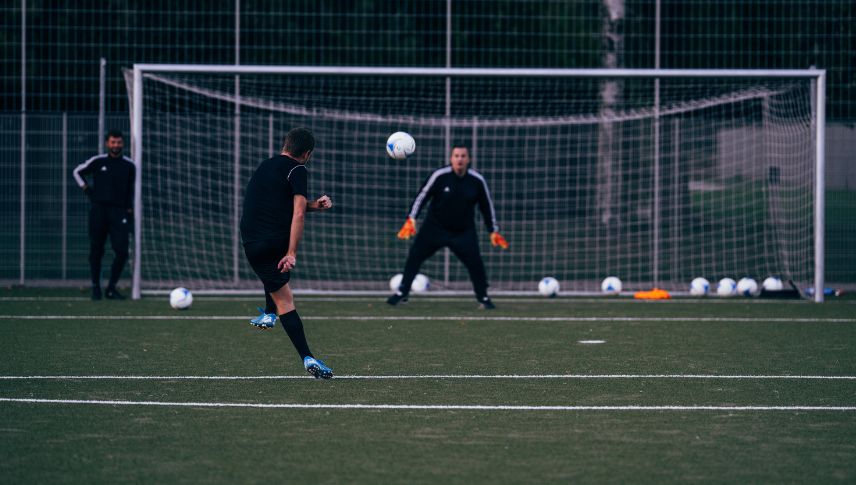
Watching your child compete in sports can be one of the most exciting and rewarding experiences as a parent. Your role is crucial whether they're chasing dreams of playing at a higher level or simply enjoying sports' camaraderie and discipline. But being a supportive parent of an athlete isn't just about cheering from the stands—it's about helping them navigate the highs and lows of their athletic journey in a way that fosters confidence, resilience, and self-worth.
Here are four key ways you can best support your child through their journey in athletics.
1. Let Your Athlete Set Their Own Goals
It's natural to want success for your child, but their sports journey should be theirs. When athletes take ownership of their goals, they develop intrinsic motivation, resilience, and accountability. Instead of setting expectations for them, engage in conversations about what they want to achieve and collaborate on the steps they'll need to take to get there.
Ask questions like:
What do you love most about your sport?
What are some individual goals you have for this season?
What support do you need from me to help you reach them?
When your child is in the driver's seat, they develop confidence and a sense of control over their own athletic experience. Your role is to be their biggest supporter—helping them make choices aligning with their goals, offering encouragement, and reminding them that their goals don't have to be about wins and stats but about growth, learning, and enjoying the sport. Their goals will tell you a lot about what your support role can be. If their goals do not align with your own goals for your athlete, that's something for you to work through. It is not their responsibility to live up to your expectations.
Goals are personal. It's not up to anyone else to decide your goals.
2. Be a Parent—Not Another Coach
Your athlete already has coaches. What they need from you is unconditional support, encouragement, and a safe place to land after challenging games and practices.
It's tempting to offer technical advice after a game or correct mistakes you notice, but unless your child asks for your feedback, leave the coaching to the coach. Sports should be a place where children can build confidence, and if every interaction feels like another round of criticism or coaching, it can quickly drain their joy for the game.
Instead of focusing on performance-based feedback, try these supportive responses after a game:
"I loved watching you play today!"
"I'm proud of how hard you worked out there."
"How did you feel about the game?"
Your athlete should feel safe and supported coming to you after a challenging game—not worried about receiving a post-game breakdown of what they did wrong. By being their parent first, you give them the emotional stability they need to thrive in athletics and beyond.
Your child needs a parent who believes in them, not a coach waiting to critique them.
3. Remember That Their Journey Is Not Yours
If you played sports growing up, it's easy to see your child's athletic experience through your own lens. Maybe you loved your sport and want them to feel the same way, or perhaps you regretted how your athletic career played out and want to help them avoid the same mistakes. But their journey is separate from yours, and they deserve the chance to create their own story.
Your child doesn't need to live up to your glory days—they need the freedom to build their own.
- If you were a star athlete, resist comparing their performance to yours.
- If you didn't reach the level you hoped for, don't push them to achieve what you didn't.
- If they don't seem to love the sport as much as you did, let them decide if it's something they truly want.
When you separate your experiences from theirs, you allow them to play for their own reasons—not to fulfill expectations they never asked for.
Let your child have their own journey. Their sport is not about reliving your past but creating their future.
4. Remember: They Are More Than Their Sport
It's easy to get caught up in the excitement of your child's athletic achievements, but it's critical that they know they are valued outside of their sport.
Many athletes tie their self-worth to their performance, believing that their value comes from how well they play, how much playing time they get, or whether they meet expectations. When things don't go as planned, this can create anxiety, burnout, and emotional distress.
Remind them (and yourself) that being an athlete is just one part of who they are. Celebrate their character, work ethic, kindness, and resilience just as much—if not more—than their performance.
Instead of only recognizing athletic achievements, also acknowledge:
- Their effort, perseverance, and sportsmanship
- Their passions and interests outside of sports
- The qualities that make them a great person, not just a great athlete; focus on CHARACTER rather than outcomes
Let them know that win or lose, play or sit success or struggle—you love and value them for who they are, not for what they accomplish.
Even professional and Olympic athletes' competitive days of playing their sport will eventually end. How will they feel about themselves when it does?
Final Thoughts: How You Can Support Your Athlete Beyond the Game
Being the parent of an athlete comes with a unique set of challenges and emotions. Still, at the core, your role is simple: love, support, and encourage.
✔ Let them set their own goals and guide their own journey.
✔ Be their parent first, not another coach on the sidelines.
✔ Make sure they know that they are more than just an athlete—they are a whole, valuable person beyond the game.
✔ Let them create their own sports journey, separate from your past experiences.
When your child looks back on their sports career, they won't just remember the wins and losses—they'll remember how you made them feel. Be the safe space, the encourager, and the one who always believed in them, no matter what the scoreboard says.
If you'd like more guidance on supporting your child's mental and emotional well-being in sports, Check out these episodes of my podcast:
Suppose your child is struggling with sports-related anxiety, confidence, or pressure. In that case, therapy can be a powerful tool to help them navigate these challenges. As a therapist, I work with athletes (and their parents) to develop mental resilience, self-worth beyond the game, and a healthy approach to competition.
Want to learn more? Let's connect—I'd love to help your athlete thrive in sports and in life.

Kay Foster, LISW

Author: Kay Foster
Kay Foster, LISW is a therapist and senior supervisor for Ankeny Counseling Center. She specialize in perinatal mental health, sports psychology, anxiety, depression, adult ADHD, trauma, life transitions, and relationship issues. She is also trained in EMDR (eye movement desensitization and reprocessing).


